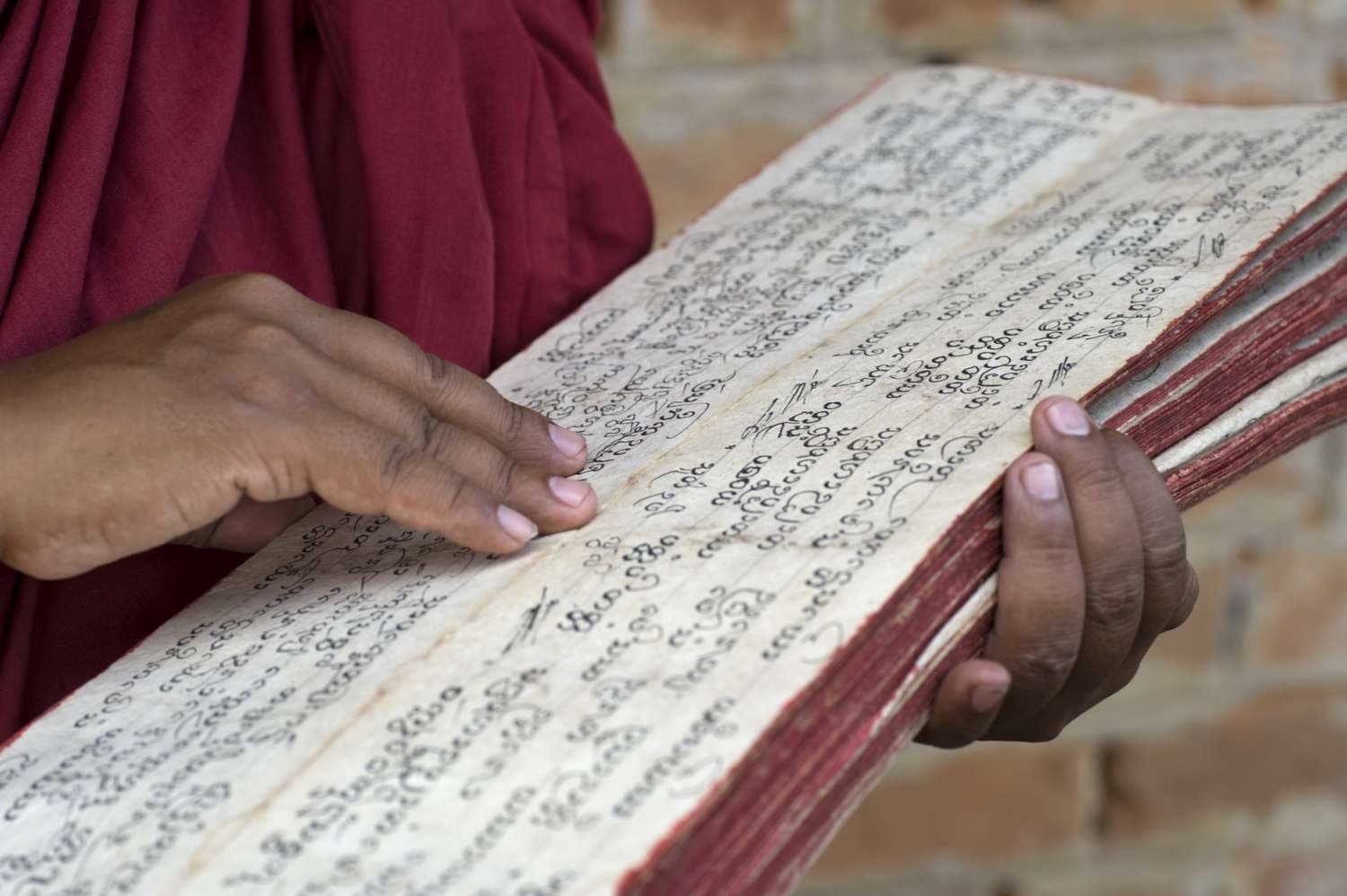
In Buddhist traditions, taking refuge in the Buddha is not only admiration for a historical teacher. It is also trust in awakening as a human possibility. The language differs across schools, but the ethical pressure is similar: a person should not be reduced to habit, status, purchase history, or the narrowest version of their past behavior.
For Sangha, this becomes a product discipline. A student is not merely a customer record. A teacher is not merely a payroll input. A work-study member is not a loophole in the pricing table. One human has one profile, and the system should be able to hold the fullness of their relationship to a studio without making them explain themselves every time they arrive.
That is why Buddha appears in the product as dignity and legibility. Access can come from role, payment, contribution, or policy, but the person remains whole across those pathways. The software should help staff see why someone belongs in the room without flattening them into a payment artifact.
There is also an attentional quality here. Buddhist practice is often concerned with seeing clearly: causes, conditions, habits, consequences. In software terms, that means avoiding vague hidden states. If access was granted, the system should know why. If a price changed, the policy path should be visible. Clarity is a form of respect.
The scholarly point is not to claim that software can encode awakening. It cannot. But software can either support or obstruct the conditions of practice. Sangha tries to remove administrative confusion so studios can spend more attention on the human work they exist to serve.